
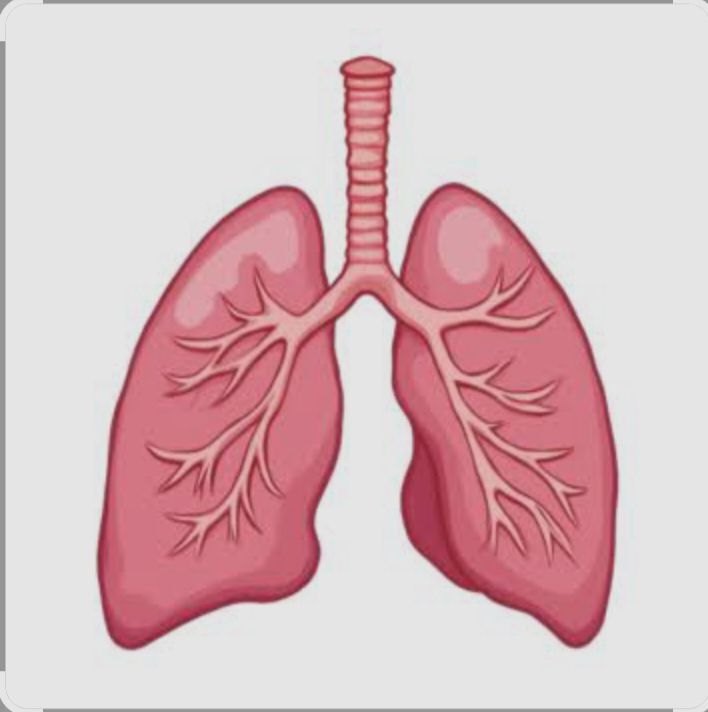
When we talk about the lungs, most people immediately think of breathing — taking in oxygen and releasing carbon dioxide. But did you know your lungs also perform many non-respiratory functions that are vital for overall health?
Let’s explore how your lungs protect and balance your body — and what foods can help keep them strong and healthy.
1. Lung Defense System
The air we breathe often carries pollutants, dust, bacteria, and viruses (like when an infected person sneezes). Thankfully, our lungs have a powerful defense system to fight these harmful elements.
Main defense mechanisms include:
Physical protection: Hairs in the nostrils trap dust; coughing and bronchospasm help clear irritants.
Mucus and cilia: Sticky mucus captures germs, and tiny cilia (hair-like structures) push them out.
Macrophages: These immune cells destroy bacteria and viruses inside the lungs.
If pollutants or infections overpower these defenses, diseases like bronchitis, pneumonia
2. Metabolic and Endocrine Functions
The lungs don’t just handle air — they also help manage important chemical processes in the body.
(a) Production and release:
Lungs make compounds like prostaglandins, thromboxanes, and leukotrienes. These help the immune system fight infections.
However, sometimes they can trigger inflammation or asthma.
Mast cells in the lungs release histamine, which may cause allergic reactions or airway tightening.
(b) Breakdown and removal:
The lungs help remove chemicals such as bradykinin, which affects blood pressure.
Some substances like PGE1, PGE2, and leukotrienes are both made and broken down in the lungs, showing that their effects are mostly local.
(c) Conversion of substances:
In the lungs, an enzyme called ACE (Angiotensin-Converting Enzyme) converts Angiotensin I into Angiotensin II, a hormone important for blood pressure control.
3. Other Functions of the Lungs
Besides breathing and metabolism, lungs also:
Help maintain body temperature (thermoregulation).
Balance water and moisture in the air we exhale.
Control acid-base balance (pH level) in the body by regulating carbon dioxide.
What to Eat for Better Lung Health
A healthy diet can keep your lungs clean, strong, and free from inflammation.
Here are some of the best foods for lung health:
Leafy Green Vegetables – Spinach, kale, and broccoli are rich in antioxidants that protect lung tissues.
Fruits Rich in Vitamin C – Oranges, kiwis, and strawberries boost immunity and reduce lung infections.
Turmeric and Ginger – Natural anti-inflammatory agents that help clear airways.
Garlic and Onions – Contain sulfur compounds that support lung detoxification.
Nuts and Seeds – Rich in Vitamin E and Omega-3 fatty acids that reduce lung inflammation.
Apples – Flavonoids in apples help improve lung function and prevent asthma.
Green Tea – Helps remove toxins and strengthens the respiratory system
Plenty of Water – Keeps mucus thin and helps the lungs function efficiently.
Discover more from zaruribaat.blog
Subscribe to get the latest posts sent to your email.