
psychological impact of dance, emotional benefits of music, classical music therapy, Indian dance psychology, healing power of art, mental health and performing arts
Introduction
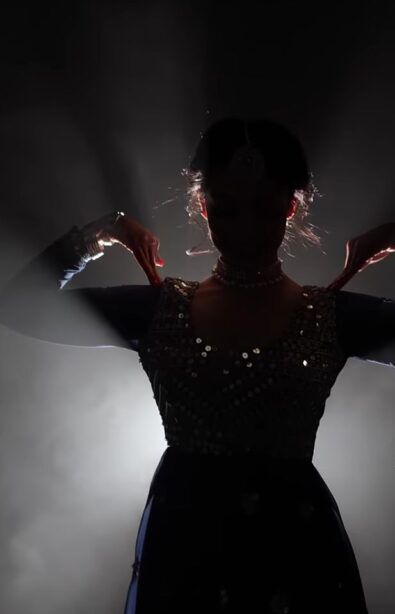
Dance and music are not merely performing arts; they are powerful psychological and emotional experiences for both the performer and the audience. Indian classical arts hold unique qualities that calm the mind, balance emotions, and create a deep therapeutic effect. This article restructures your original ideas into a refined educational format.
Psychological Impact of Dance-Music Performance
A performer can attract and engage the audience only when the performance carries true emotion, purpose, and rasa (essence).
Simply showcasing technique, practice, or acrobatics does not create connection. A performer must understand:
Why they are dancing or singing
The purpose behind the presentation
Which rasa or emotional essence they want to evoke
When the artist successfully evokes rasa, the audience begins to feel emotionally connected, and only then the art becomes meaningful.

Art as Emotional Therapy
Indian classical music and dance naturally work as emotional and psychological therapy. A person struggling with sadness, depression, emotional imbalance, or stress can feel peace when exposed to genuine artistic expression.
Classical arts contain—
specific notes (swar)
powerful vibrations
expressive gestures and rhythms
These activate the receiving centers of the human mind. When the frequency of the artist’s expression matches the emotional frequency of the audience, a deep therapeutic impact occurs.
Historical Example: The Power of Raag Megh Malhar
Traditional accounts mention that great maestros who performed Raag Megh Malhar produced such intense sound vibrations that the surrounding air create clouds, even raining at a focused area.
The essence of this example is:
A true artist is one who can give form to the formless emotion of art, who can create rasa that enters the mind and soul of the audience.

When Rasa is Created: Psychological Transformation
Once rasa is generated in performance:
The audience forms an emotional bond with the artist
Their consciousness aligns with the rhythm and vibration
Positive energy begins to flow within
Negative thoughts naturally dissolve
A person who internalizes art starts noticing positive improvements in their mindset, emotions, and overall approach to life.
Conclusion
Dance and music are not just artistic skills—they are living therapies, channels of emotional expression, and sources of positive energy.
Incorporating art into daily life helps individuals release negativity and cultivate balance, peace, and psychological well-being.
Reference: National Institutes of Health (NIH) | (.gov) https://pmc.ncbi.nlm.nih.gov/articles/PMC9417331/
Discover more from zaruribaat.blog
Subscribe to get the latest posts sent to your email.