
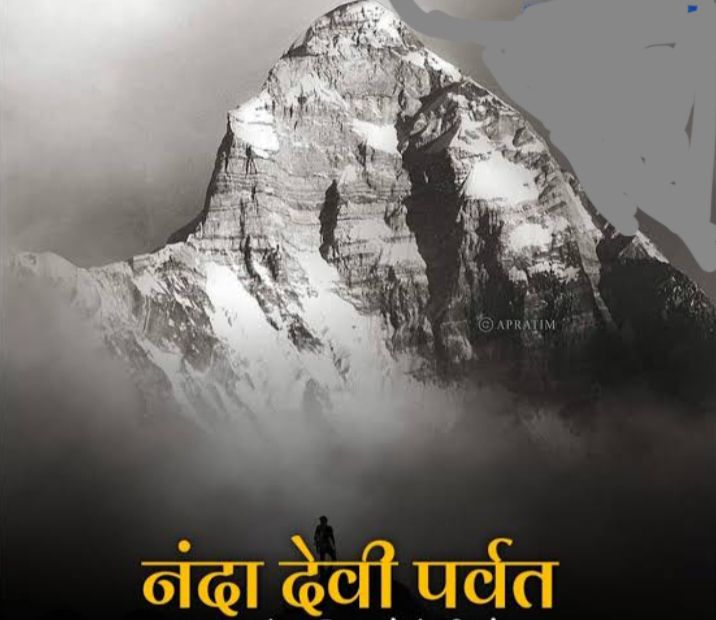
Nanda Devi, a majestic peak in the Garhwal Himalayas of Uttarakhand, has long been revered by mountaineers, devotees, and nature lovers alike. But fewer know the intriguing and unsettling chapter in its history — in 1965, a plutonium-powered surveillance device was lost in a classified mission. Now, as authorities mull reopening the mountaineering route, that long-buried mystery looms large over any decision.
How a Secret Nuclear Device Disappeared
Mission Objective
In 1965, amid Cold War tensions, the United States (CIA) and India (Intelligence Bureau) embarked on a covert mission to place a radioisotope thermoelectric generator (RTG) on Nanda Devi’s summit. The goal: to monitor China’s nuclear tests via remote sensing.

This generator was powered by plutonium capsules, designed to feed power to sensors and transmitters.
Accident and Abandonment
As the climbing team approached Camp IV, a fierce blizzard struck. Unable to safely continue, they decided to secure the device in a crevice and return downhill, intending to retrieve it later.
When spring 1966 came, follow-up expeditions searched the site but found no trace of the generator or its plutonium capsules.
Most experts believe that the device may have been displaced by glacier movement or slope collapse, eventually sliding into the ice and snow.
Consequences & Controversy
Locals fear that residual radioactivity might contaminate soil or meltwater, ultimately threatening rivers like the Ganges.
Some scientific tests have reportedly detected traces of plutonium in soil or water samples, though results and interpretations remain contested.
Scoutripper
In 1978, the mission was publicly exposed in the U.S. Congress, prompting India to form a special review committee.
Environmentalists and local communities have long argued that opening access to this region, given its ecological sensitivity, is risky and irresponsible.

The Prospect of Reopening the Route: Opportunities & Risks
The Proposal & Momentum
In 2025, the Indian Mountaineering Foundation (IMF) and Uttarakhand state officials initiated discussions to reopen Nanda Devi’s climbing routes under strict regulation.
Under the proposal, only limited numbers of climbers would be allowed, adhering to stringent permits, environmental protocols, and monitoring.
Conclusion
The lost nuclear device in Nanda Devi is more than an espionage footnote — it’s a lingering environmental question mark that continues to cast shadows over any plan to reopen the mountain routes. If authorities move ahead with granting access, they must do so with utmost scientific rigor, ecological sensitivity, cultural respect, and risk mitigation. The reopening would not just be a route for climbers, but a litmus test: can we reconcile adventure, history, and nature with responsibility?
Discover more from zaruribaat.blog
Subscribe to get the latest posts sent to your email.